

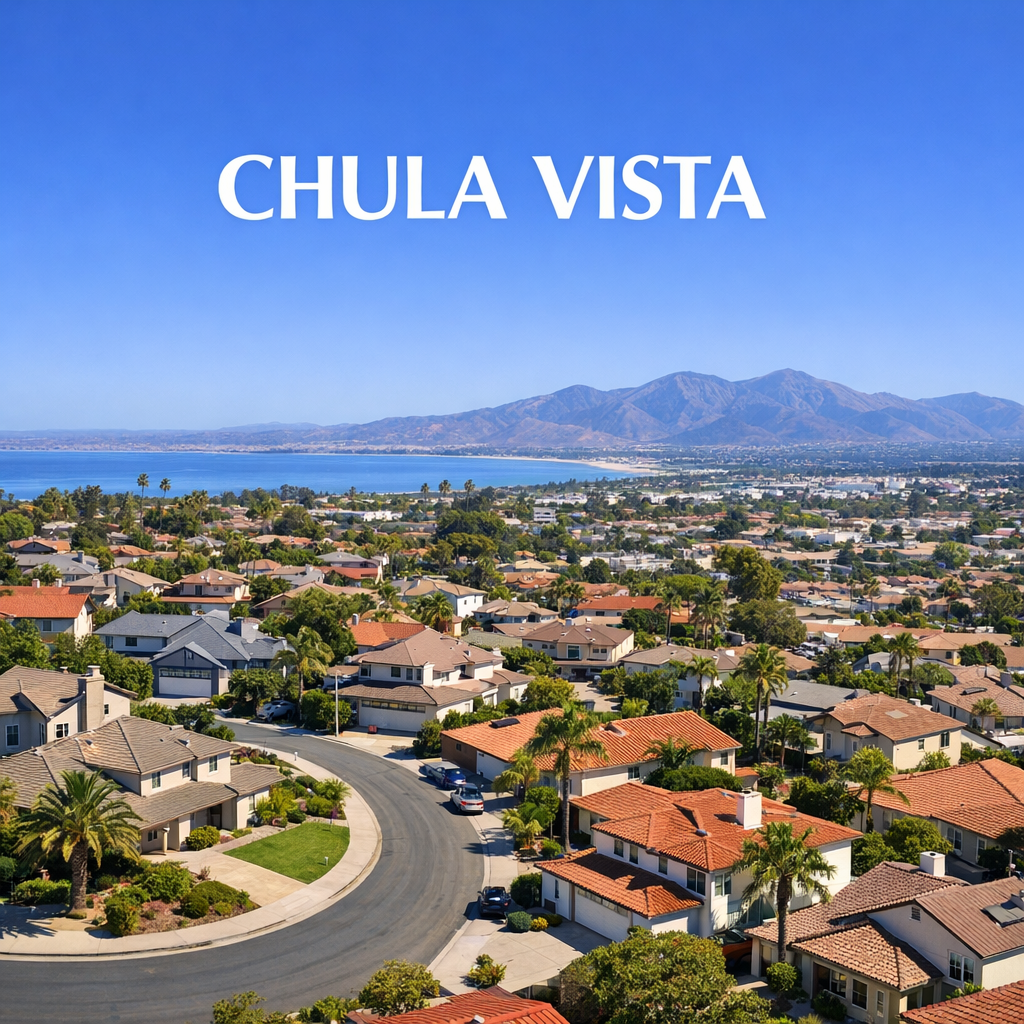
Hello neighbors — this is Mason Sanchez coming to you with a grounded look at Chula Vista’s weather and how it ties into our environment year-round. With climate shifts happening fast, it helps to know what’s normal, what’s changing, and how we can adapt.
What weather is typical in Chula Vista?
Chula Vista sits in Southern California’s lowlands, where we experience a semi-arid climate (classified as “BSk”) with Mediterranean-like qualities. Summers are warm, dry, and mostly clear; winters are cooler and bring most of our rain. Temperature swings throughout the year are moderate — average highs are usually in the upper 70s°F, lows dipping into the mid-40s°F during winter nights.
Precipitation & wet season
Rain tends to fall from late fall through early spring. February is often the wettest month, while summer months like June through September see very little rainfall. This pattern means dry summers, which can strain water supply and heighten fire risk.
Temperature and humidity trends
Temperatures rarely hit extremes. Daytime highs are seldom over 84°F, and lows rarely fall below the low 40s°F. Humidity is usually moderate, with muggy conditions increasing slightly in mid-summer. Ocean proximity helps, giving us cooler lows overnight and moderating heat during daytime.
Environmental issues and emerging climate trends
More frequent and intense heat
Chula Vista is seeing a growing number of “extreme heat days”—those that hit or exceed the top 2% of daily maximum temperatures historically. Expect these heat waves to become more common, especially between April and October.
Shifts in rainfall and water concerns
While total rainfall hasn’t dropped drastically yet, models show possible decreases in annual precipitation alongside more variability—heavy downpours may alternate with longer dry spells. Water scarcity and stormwater management are growing local concerns.
City efforts & nature-based responses
Chula Vista’s Climate Action Plan lays out goals for reducing greenhouse gas emissions, improving energy efficiency, and adapting to environmental changes. A couple of initiatives already underway include increased drought-tolerant landscaping (like the NatureScape program) and updates to infrastructure to handle extreme heat and storm events.
Here’s what residents can do
- When landscaping, choose natives or drought-friendly species that thrive in semi-arid local conditions. They’ll need less water and better stand up to temperature swings.
- Stay aware during heat waves: hydration, shade, and air circulation indoors can help avoid heat-related illness.
- Conserve water year-round; winter rains are not always reliable, and summer water usage tends to spike.
- Support community planning: stay involved in public workshops related to climate action and city planning so that local voices shape infrastructure investments.
Weather in Chula Vista might feel gentle compared to some harsher climates, but the subtle shifts are real—and already affecting daily life. Knowing what’s normal and what’s changing helps all of us make better decisions for our homes, health, and community.