

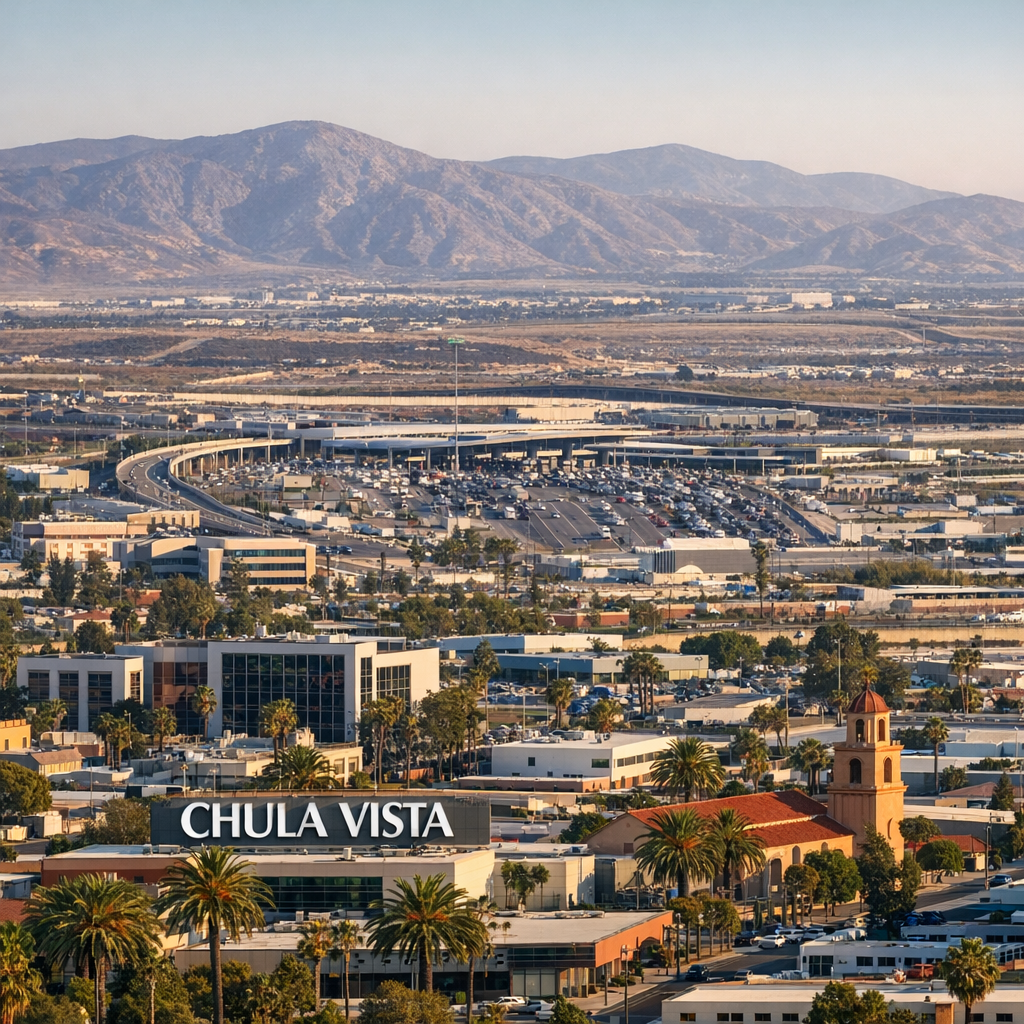
Chula Vista, strategically located near the U.S.-Mexico border, has long been a hub for international trade. The city’s proximity to the Otay Mesa Port of Entry facilitates significant cross-border commerce, contributing billions to the local economy. However, recent international tariffs have introduced challenges that resonate deeply within our community.
Understanding the Impact of Tariffs
Tariffs, essentially taxes imposed on imported goods, aim to protect domestic industries but often lead to increased costs for consumers and businesses. In Chula Vista, sectors such as manufacturing, supply chain logistics, and small businesses that rely on binational cooperation have felt the strain. The added costs and economic uncertainty stemming from these tariffs have prompted local leaders to take action.
Local Response to Global Policies
Recognizing the adverse effects of these tariffs, Chula Vista councilmembers have proposed a resolution denouncing them. The resolution highlights the city’s economic dependence on efficient border infrastructure and cross-border relationships, emphasizing that disruptions at the border have widespread repercussions on local industries and households. While the resolution is symbolic and carries no legal weight, it underscores the community’s commitment to advocating for policies that support economic stability and growth.
Looking Ahead
As global trade policies continue to evolve, Chula Vista remains vigilant in protecting its economic interests. The city’s leaders and residents are actively engaged in discussions to ensure that international developments do not hinder local prosperity. By fostering strong cross-border relationships and advocating for fair trade practices, Chula Vista aims to navigate the complexities of global economics while safeguarding the well-being of its community.